One of my favorite way to enjoy herbal remedies is by making a really good cup of loose leaf tea. It’s quick, easy to dose, it's an act of self care, and you can enjoy any time of the day.
If you're new to loose leaf tea it can feel really intimidating. What herbs do I start with? How much do I add? How much water? How do I steep? These are all great questions, and hopefully I will get these all answered to you.
Before we dive into the logistics of making a really good cup of tea, I want to share from my perspective some of the general benefits of incorporating herbal teas into your lifestyle, especially when life is life-ing...
Herbs have been a large part of my lifestyle and wellness routines for about a decade now.
If I haven't already shared with you, my oldest son had an adverse reaction to a vaccine and by age 3 was diagnosed with a laundry list of co-moribd disorders and disabilities that impacted his immune system, digestive system, and nervous system.
We reversed and healed as much as we could through diet and natural medicine. There are some things he will live with for much longer as we continue to heal his nervous system, but nonetheless our lifestyle has completely changed as a result of what he went through.
I tell you all this to say that plant medicine and the way I incorporate herbs to manage wellness has become a cornerstone in daily life for both me and my family.
Through my experience, incorporating tea blends into my daily routine fosters a natural, balanced approach to health, helping the body manage the demands of modern life.
Each of the following deserves it's own blog post, but here are just some the ways herbal teas have helped me...
Natural Support for Mental Health: Herbal teas can help you manage anxiety, stress, and mood fluctuations without relying solely on pharmaceuticals. Lemon balm, Ashwaghanda, milky oats, & tulsi are some of my favorites. I grow lemon balm and tulsi in the summer months, I enjoy them fresh and dry them to use over the winter months.
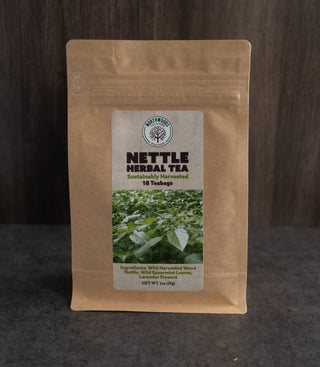
Improved Immunity: Elderberry & echinacea have become very well know and popular choices for anything immune related. For me these two herbs tend to stimulate my immune response if I take too much. Which is why I love making gentle teas with white pine and anise hyssop, bee balm. These herbs I have found support the body really well when my immune system is triggered. For anything immune related I also add Nettle to support my liver and add the extra magnesium.
Better Sleep and Relaxation: Regular consumption of calming teas supports healthy sleep patterns, crucial for optimal wellness. A simple lemon balm, chamomile, and mint is my go-to bed time tea. There are so many wonderful blends of tea that help settle the body and mind before bed, I think the simple act of holding something warm and slowing down to drink it, signals the body to settle as well.
Digestive Health: A highly underestimated use of herbal tea in my opinion. So many herbal teas aid digestion and reduce bloating. Some of the top herbs that come to mind for me are mint, chamomile, calendula, plantain, marshmallow root, ginger, peppermint, fennel. I'm definitely forgetting a bunch, but these are a good start.
Hydration: Herbal teas are an enjoyable way to stay hydrated throughout the day. Probably one of the most popular for hydration is the harvest berry blend we carry at the shop. I like to use good tasting carminative herbs and add them to water, mint, basil, lemon balm. Some herbs, like Nettle for example, are more "drying" and may actually leave you feeling less quenched if you over indulge.
Reduced Dependency on Caffeine: I am a coffee lover, I would drink it all day long if I could. If you are needing or wanting to reduce caffeine consumption, replacing herbal teas for that cup of coffee is a wonderful substitute. I did a 40 day prayer fast earlier this year and coffee was off the table for that time. While extremely difficult, herbal teas made it less painful. I have a couple of really nice "energy" blends in the shop.
Now to the good part...
How do I make a really good cup of tea? I'm going to share one of the most simple methods used by many herbalists- the mason jar method.


I hope you try making herbal tea this week, using the mason jar method or your favorite infuser. Don't be afraid to stop by the shop and let me know which herbs you're enjoying at the moment.
If there's one thing I've learned about herbal medicine, it's the relationship we cultivate with the plants that does the most healing. To slow down, to ask ourselves from a deep place what we need, and to really taste and enjoy the plants for what they have to offer.
Enjoy and may you find peace in your cup of tea this week.